



For most of us, the internet has changed our behaviours around entertainment, dating, eating out, socialising, buying and selling, news consumption and many other life activities. It offers infinite choice and the unending scroll, and at least in theory, that should make our lives easier, right?
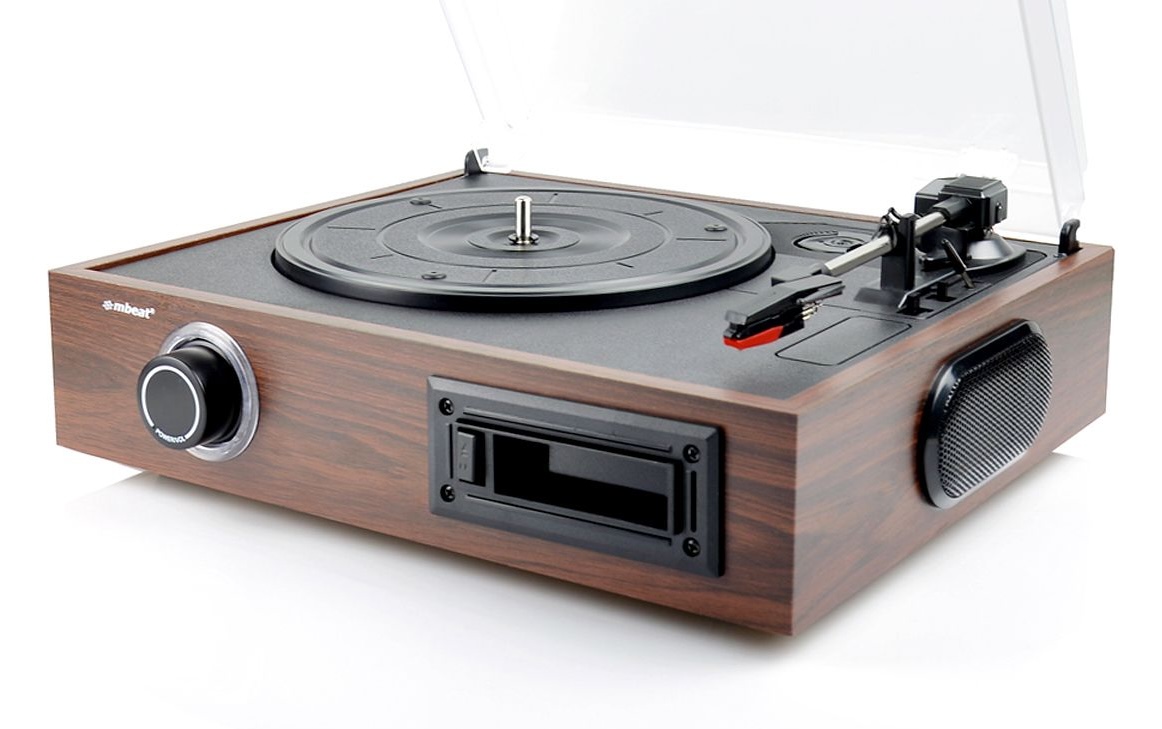
Not so fast. A growing number of people, especially Gen Z and Millennials, are choosing less choice by moving away from streaming services in favour of buying records, DVDs and CDs and visiting video and record stores.
What’s driving these behaviours (other than it being cool and retro)?
Costs, fatigue and anxiety
As costs increase for subscription streaming services, many are feeling the frustration of paying more for services that can be hard to navigate and in some cases, remove ownership of downloaded movies or series. You may have paid in full for that movie, but suddenly it doesn’t belong to you – the streaming service owns those rights and can delete it from your online collection.
Maybe, nope, maybe, maybe….I give up.
Most of us know the anxiety of sitting down to choose something to watch and being overwhelmed by the sheer number of choices available on the streaming services. We swipe and scroll and watch previews and suddenly, an hour has passed and we’re no closer to making up our minds. Yes, this behaviour used to happen at video stores as we wandered the aisles looking at titles, but in those days there was more incentive to choose a few options; you’d left the house, parked the car (maybe with a child in tow) and leaving empty-handed would feel like a waste of time.
It was different back in the day; the media was tangible, no internet connection was needed and importantly, there was less choice.

The Paradox of Choice
You can have too much of a good thing. In his 2004 book “The Paradox of Choice –Why More Is Less”, Barry Schwartz argues that while choice is critical to freedom and autonomy, too many options has become a problem rather than a solution, and that it can lead to not only anxiety but less satisfaction with the choices we do end up making.
The more choices, the more difficult it is to know which is best. This is further complicated with subscription dating apps, where the platforms make money from people not finding that special someone; the longer singles keep looking, the longer they stay subscribed.
Some argue that finding a partner was easier pre-internet, when your choices were limited to whichever nightclub, church, social event, sporting club or workplace you physically attended.
Smaller pool, greater hit rate.
Is there a sweet spot?
There is a balance between too many and not enough choices. It changes for each of us, and for the thing we’re choosing (we expect more choices of cars than types of petrol, for instance).
Finding this balance requires much more nuanced research to see if there’s some kind of magic number that optimises choices we can besatisfied with.
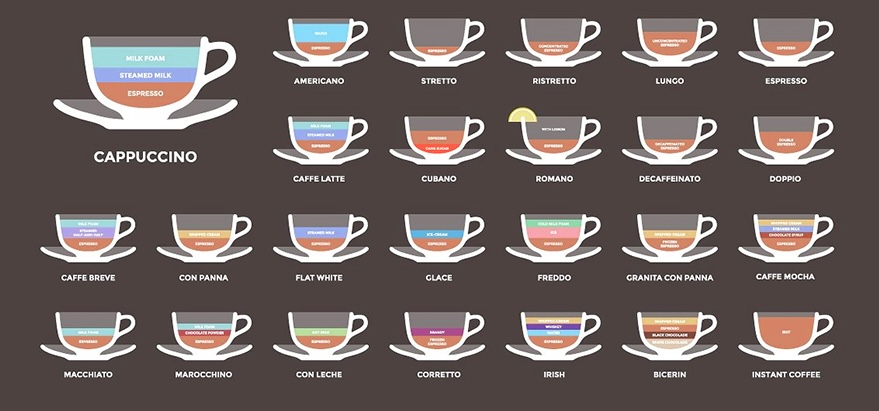
In the meantime, if you’re sitting down to scroll, you might want to grab a coffee. Would you like a latte, flat white, cappuccino, short black, piccolo, macchiato, mocha, affogato, vente, iced coffee, almond milk, soy milk, oat milk, coconut milk…
Related posts


