




Why agriculture needs Behavioural Science
Why the future of Australian agriculture is a behavioural challenge, and how BehaviourWorks Australia can help
Australian agriculture is at a turning point. It has just reached a record $100 billion in production value, but the conditions that got it there are shifting fast. The sector now has to hold that ground while playing its part in Australia's commitment to net zero by 2050, navigating the energy transition, and adapting to intensifying droughts, floods, bushfires, and volatile markets.
Many of the solutions already exist, from new farming practices and technologies to natural capital markets and shifts in production. But whether they succeed hinges on human choices: the daily decisions of farmers, landholders, policymakers, and the people across the supply chain who influence them.
The usual tools weren't built for this challenge
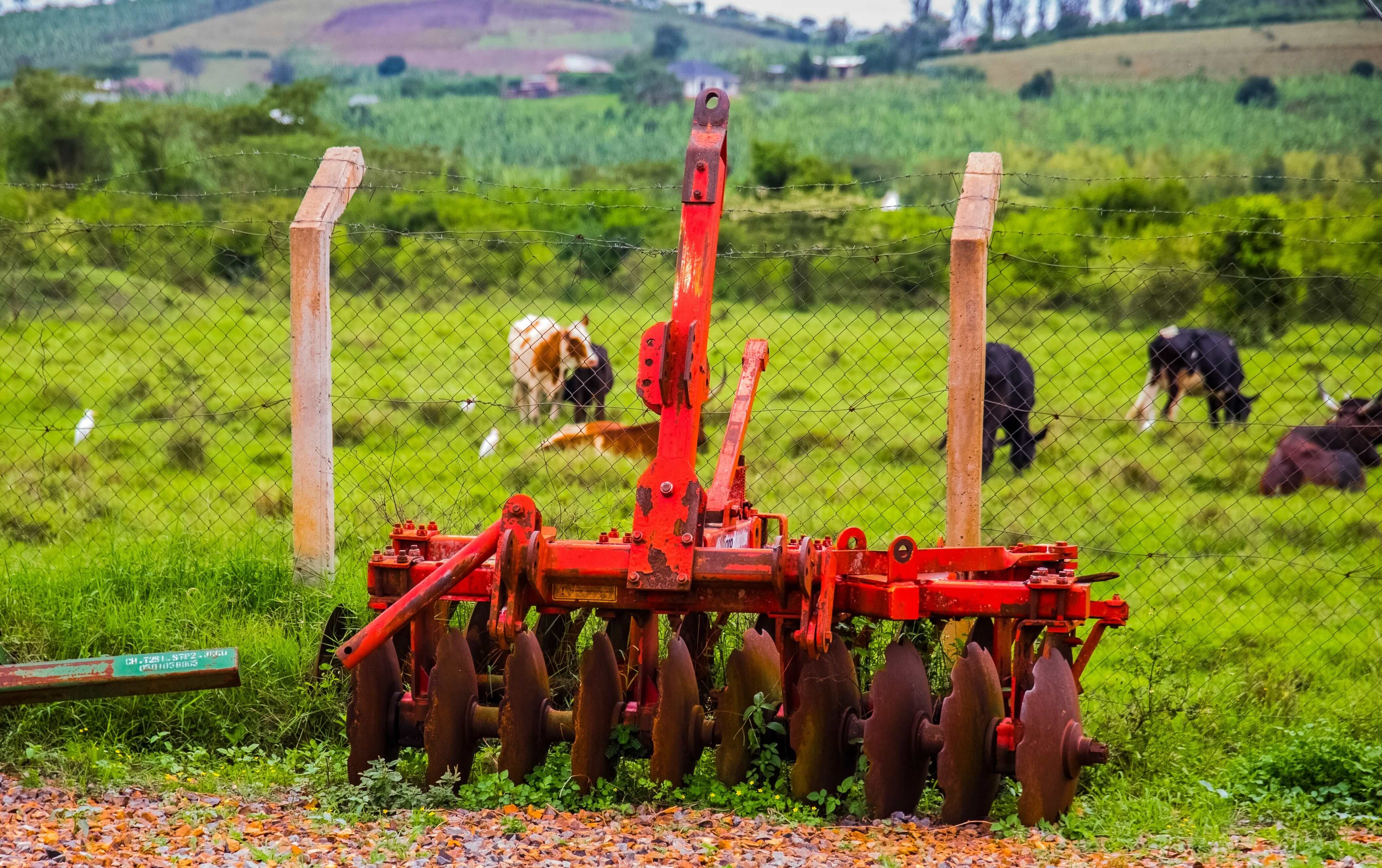
To drive change, agriculture has traditionally reached for the same three levers: give farmers information, offer financial incentives, or regulate practice. Most assume that once a better practice looks profitable on paper, it will simply be adopted. In reality, farming is a livelihood steeped in uncertainty, where more information and incentives often fall short.
Trying an unproven practice can put a family’s entire business at risk, and the payoff is often unclear and years away. A changing climate means past experience is no longer a reliable guide, and when producers look to their communities for direction, entrenched norms can make change harder still. Incentives have limits too: payments can crowd out farmers’ own motivation, and practices can lapse once the money stops. Against a challenge this fast and this complex, the usual tools simply aren't enough.
Behavioural science is critical to the transition
Behavioural science can help the sector move at the speed this transition requires. Drawing on psychology, neuroscience, economics, and the wider social sciences, it offers a structured, evidence-based way to understand why people make the choices they do and, crucially, to pinpoint what gets in the way of change. It starts from the premise that a farmer’s choices are reasonable given the pressures, barriers, and motivators they face. The work is then to understand those forces and realign them to move producers toward practices that are good for both their business and the planet.
Rather than assume why a practice isn’t catching on, we uncover what’s driving decisions directly from the landholder’s perspective, and pinpoint the right strategy: making key behaviours observable, prompting farmers at the right moment, or building shared community norms, among others. Across Australia, this approach has surfaced hidden barriers to adoption and opened up new intervention possibilities:
• Making land stewardship more manageable: Sometimes easier beats perfect. When a 2021 Monash study found landholders saw river-restoration rules as too stringent, the Corangamite CMA halved riparian buffer widths to make saying “yes” easier.
• Helping water users understand the rules: About three-quarters of the 100-plus properties visited were potentially breaching water rules, often unknowingly. Neighbours' behaviour offered cover: “Everyone around me does the same thing.” NRAR's Fundamentals Program now helps users get the basics right.
• Helping the sector adapt to climate change: With only “early adopters” changing their land management, a program was trialled to reach the rest through the Natural Resource Management (NRM) networks farmers already know and trust.
• Reducing energy use: Energy decisions often coincide with replacing end-of-life equipment, and farmers trust other farmers most, so the recommendation is to target these “teachable moments” and build a network of farmer “champions”.
Let's work together
BehaviourWorks Australia is looking to actively support industry groups, government agencies, NGOs, and other partners as they work on the challenges facing the agricultural sector.
Whether you need to explore the barriers and enablers driving production behaviours, take a deep dive into designing targeted interventions for your adoption challenge, or evaluate the real-world impact of your behaviour change work, we can help. If you have a technical solution but are struggling with the human element of adoption, let’s talk.
BehaviourWorks Australia (BWA), part of Monash Business School, is the country's largest applied behaviour change research unit. For more than 15 years, we've worked on a simple premise: systemic problems are best solved by changing the human behaviours behind them. Our multidisciplinary team of PhD-qualified researchers works alongside government, industry, RDCs, community groups, and NGOs using the BehaviourWorks Method to unpack and address complex challenges at every stage of the change process.
Contact us at: behaviourworksaustralia@monash.edu
Or reach out directly to our Agriculture Lead: philipe.bujold@monash.edu
Related posts


