


Two of BWA’s researchers got together to perform at the recent Pint of Science festival, an international event showcasing science and research.
Held at an inner-city pub, Meg Shaw and Peter Bragge engaged and entertained the audience with their presentation “It’s Complicated”.
By grabbing a few choice quotes from their script, this is an attempt to compress 1 hour and over 200 slides into one blog. No pressure.
People are complicated
MEG: We assume that if people just knew more, then surely they would change. But very often, the problem isn’t that people don’t know enough. The problem is that knowing something isn’t the same as doing something.
PETER: Like joining a gym because you know you should exercise and then just financially supporting it from afar.
MEG: Exactly, education is not enough. Neither is identity. We assume that if people care about the environment - if they see themselves as environmentally conscious, responsible people - then that should lead to action. Yet who walked past some rubbish today without picking it up?
PETER: So, most of us want to do the right thing, even if wedon’t always pick up litter.
MEG: We are all hypocrites, that’s normal. And when it comes to saving the environment,people are not as bad as we think.
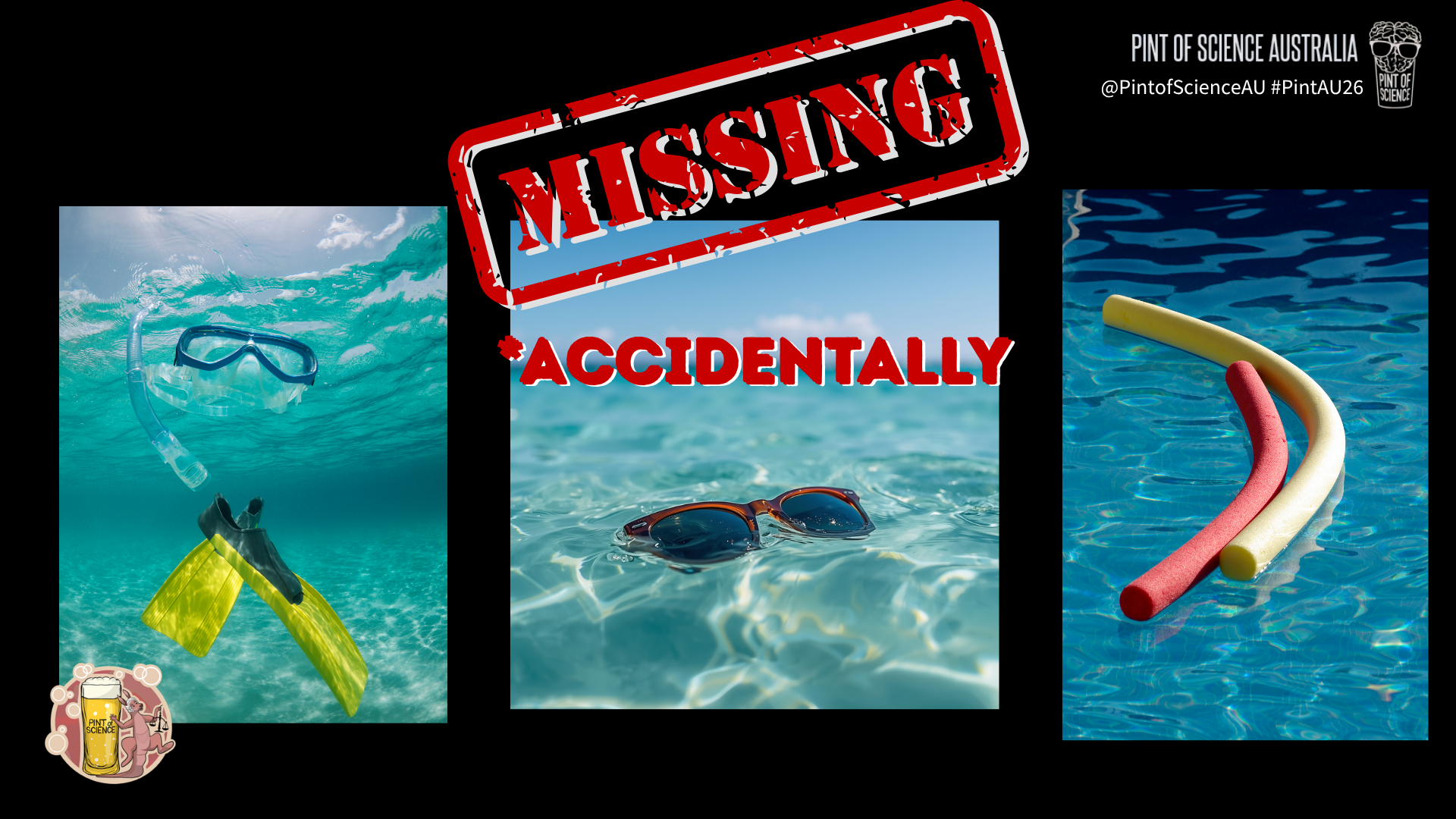
Tourism and Marine Debris
MEG: A good example of this comes from work we’ve done looking at litter and marine debris around the Great Barrier Reef. 100% of visitors said they had put their rubbish in a bin while visiting the reef.
PETER: Hm, although people may over-report good behaviour…
MEG: The data collected by our client showed things like snorkels and sunglasses are still showing up on the reef. But what if things are still ending up in the water by accident, instead of tourists deliberately littering?
PETER: So people are in the “I am on holiday and my brain has left the office” mode?
MEG: Exactly. So how do we make people pay more attention to the things they might lose?
PETER: A gear register or refundable deposit system. Suddenly the snorkel has emotional and financial significance.
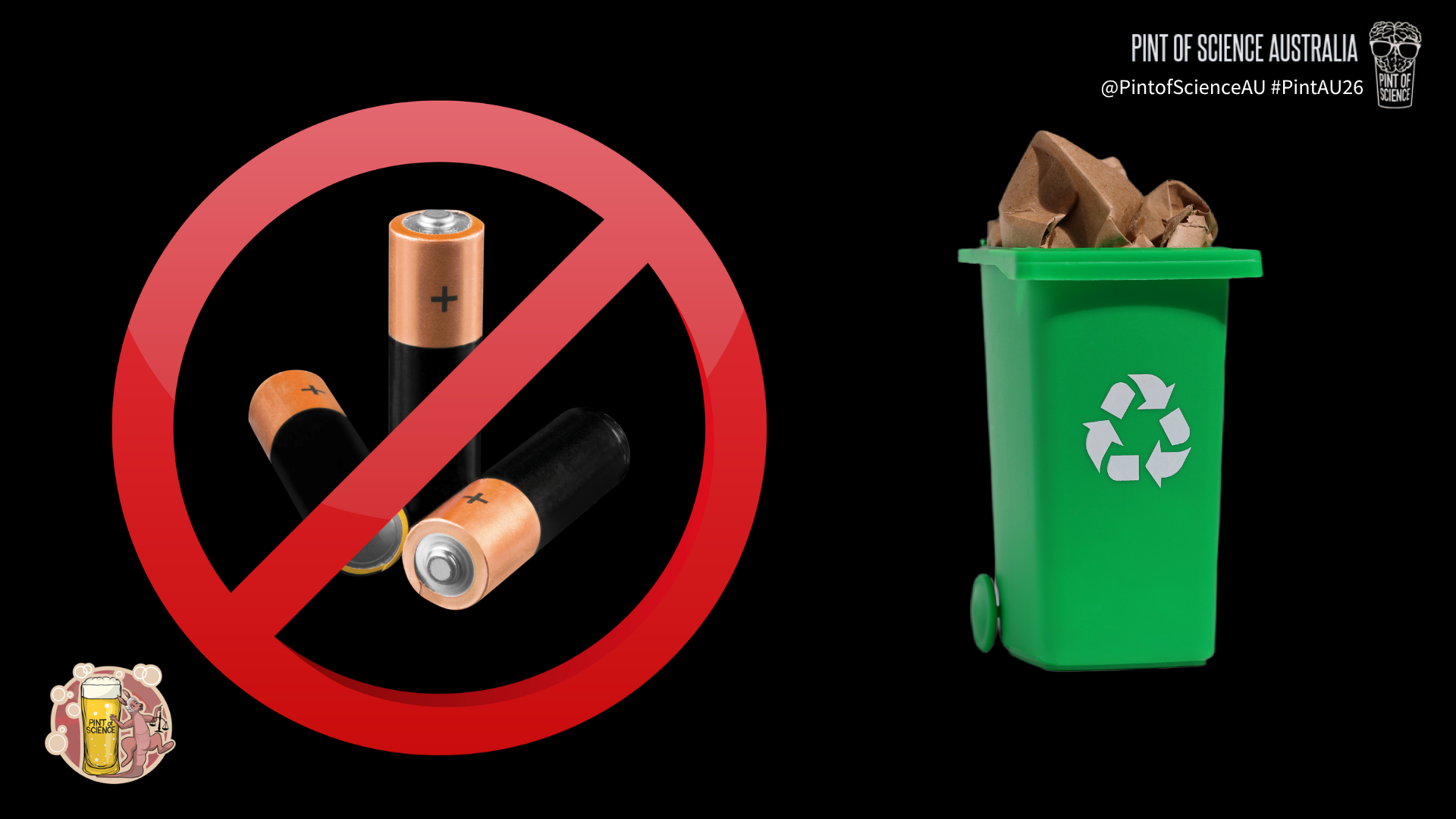
Batteries
MEG: Another point: Doing something is often harder than we think. Because even when people care, the actual behaviour can be surprisingly complicated.
PETER: We worked with the NSW EPA on a project about battery disposal. Batteries had become an urgent issue because councils were seeing more truck fires. When batteries are crushed or damaged during collection, they can spark fires that are hard to put out, costly, and dangerous.
MEG: So the aim of the project was pretty direct: Get batteries out of bins. So we started speaking to people in their homes through walk-along interviews…
PETER: Walk-along interviews? Like on a current affair?
MEG: We asked people to show us what they would actually do with a dead battery or device that had stopped working. And it turns out, there are a lot of things people can do at that point, and lots of things they could get wrong.
PETER: Like remove the battery and then bin it. Or not get the battery out, and bin the whole thing.
MEG: Or put the battery in a drawer or a zip-lock bag or some other mystery zone where things get lost.
PETER: Storage becomes stockpiling.
MEG: You still have to remember they exist, find somewhere local to take them, plan to go there, bring the batteries with you, remember they’re in your bag or car, find the actual battery bin and put them in it.
PETER: Batteries are really asking a lot of us. So the intervention is not just “tell people harder?”
MEG: No. It’s “make every step easier”.
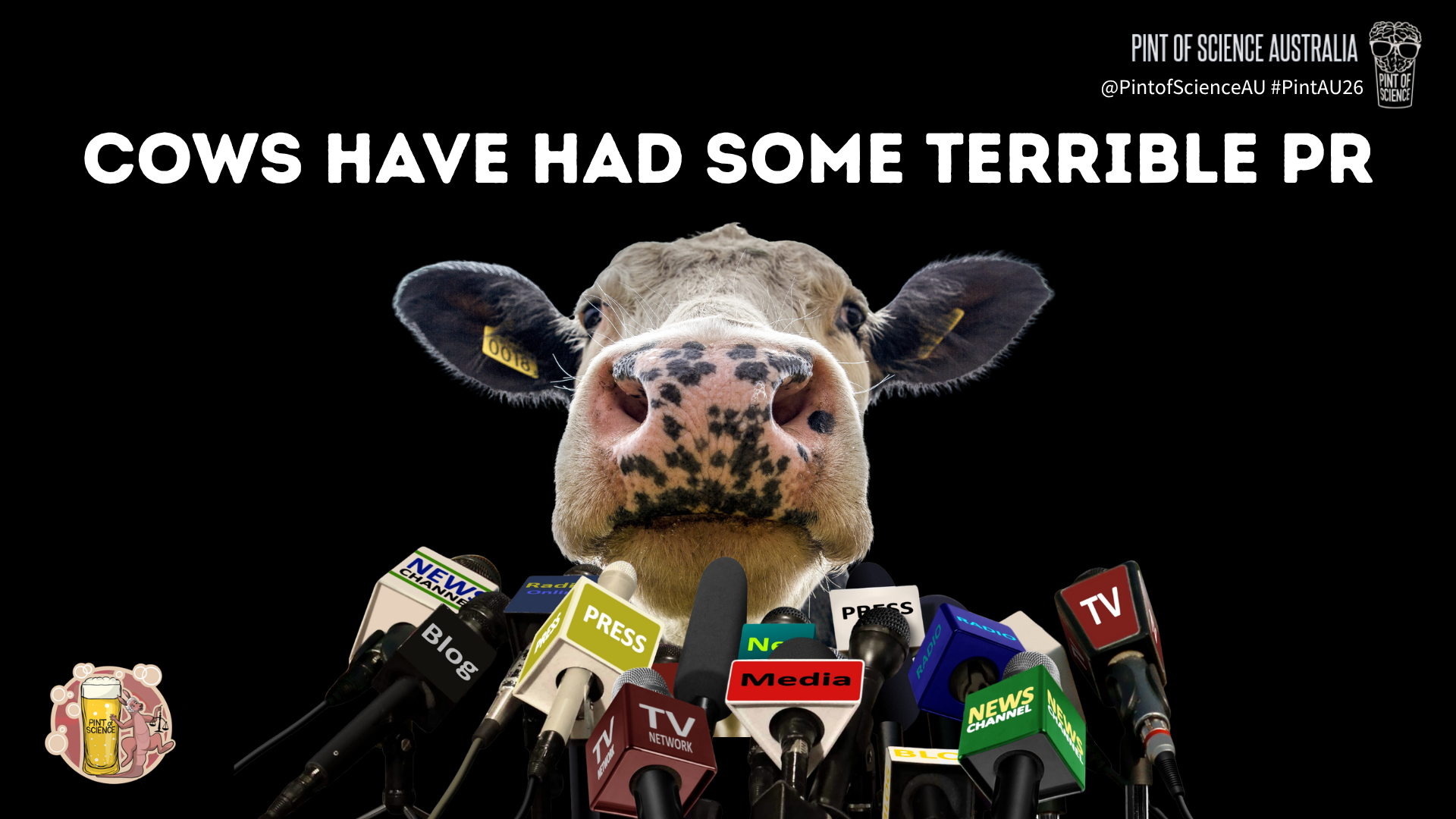
Cows and burps
MEG: And some people are doing more than we think. In this work we researched how to help dairy farmers reduce farm emissions more than they already do.
PETER: We’re talking cow burps. Methane.
MEG: We are. Healthy, comfortable cows produce more milk, and they produce more milk for longer, meaning you can have less cows in the herd. And if a cow produces more milk over her lifetime..
PETER: More milk per burp?
MEG: And if you have less cows, you’re also spending less money on feed, healthcare, and buying replacement cows.
PETER: So reducing cow burps also comes with a business case?
MEG: Right! And if dairy farmers are already doing more than people often assume, how do we help them do more without making them feel blamed or lectured?
PETER: I’m guessing it’s showing that dairy farmers are already doing a whole lot to reduce their emissions, and then providing them with tailored support to keep going, in ways that continue to also benefit their business.
MEG: Win-win strategies for the climate and for farming.

PETER: So if there is one thing we want you to take away, it’s this: as real people, we are complicated, but we are changeable. We are hypocrites, but often well-meaning ones.
MEG: And behavioural scientists like you, me, and our colleagues are finding ways to make it easier for ordinary, distracted, well-meaning hypocrites — which is all of us — to do the right thing more often.
(Wild applause from the audience as Meg and Peter take a bow. Nailed it.)
Related posts


