



LitterBack - scooping up litter and changing behaviours
A pocket-sized solution when there's barely any bins
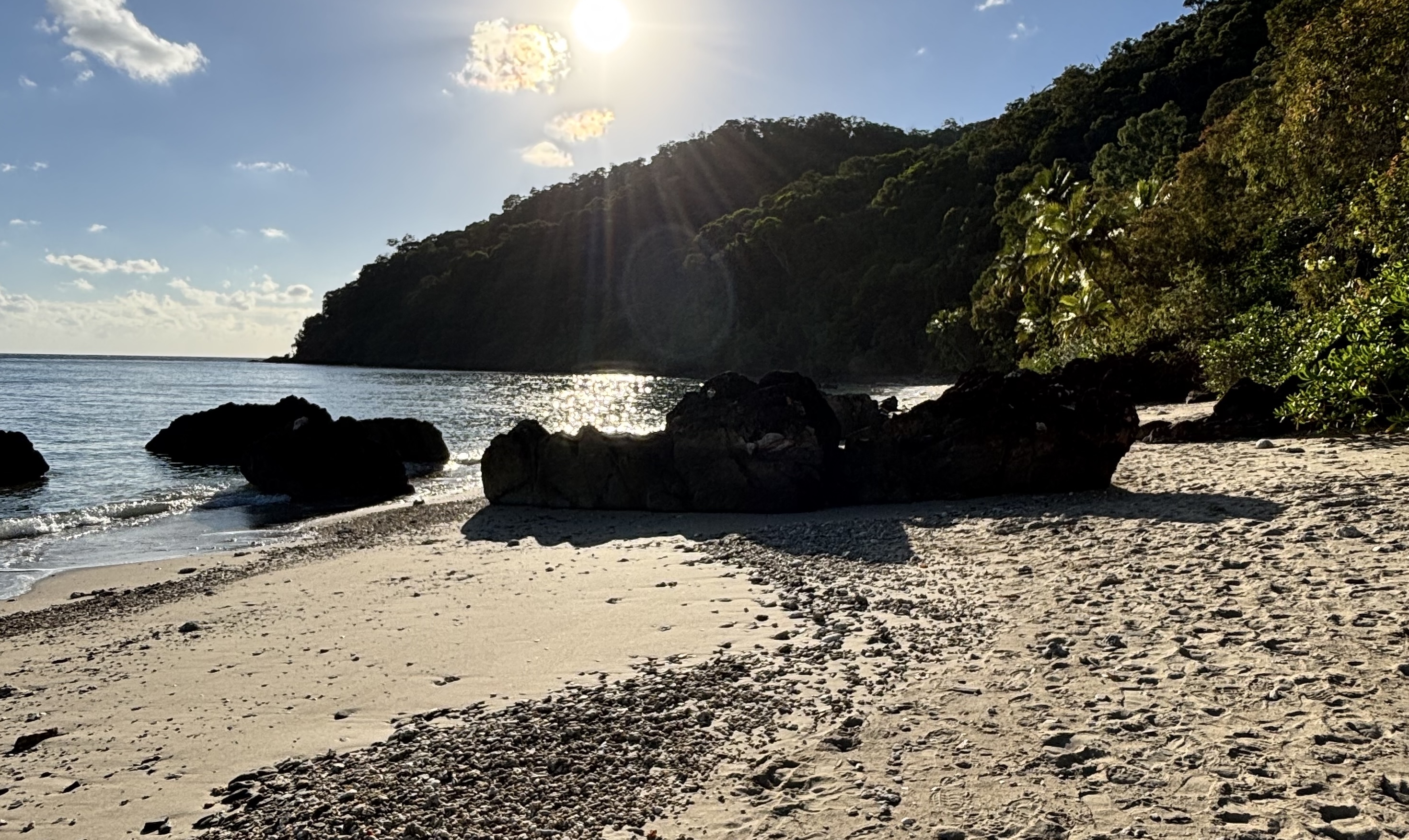
In 2011, Cyclone Yasi tore through many of the island resorts along Queensland’s coastline, destroying many tropical holiday destinations.
After 15 years, as Dunk Island welcomes visitors back on Tuesday 8 September, Tangaroa Blue Foundation, in partnership with Dunk Island and BehaviourWorks Australia, are trialling a simple new approach to tackling marine debris through LitterBack, a Source Reduction Plan delivered through ReefClean and funded by the Australian Government's Reef Trust.
Visitors can pick up a small litter pouch on arrival and take it with them as they explore the island. If they spot litter or marine debris along the way, they can pick it up, take it with them and help give it a second life as data.

What is LitterBack?
When tourists arrive on the island, they will see a large colourful turtle called Timmy. This is where they can collect their LitterBack scoops; pocket-sized pouches for collecting litter that washes up on the beaches.
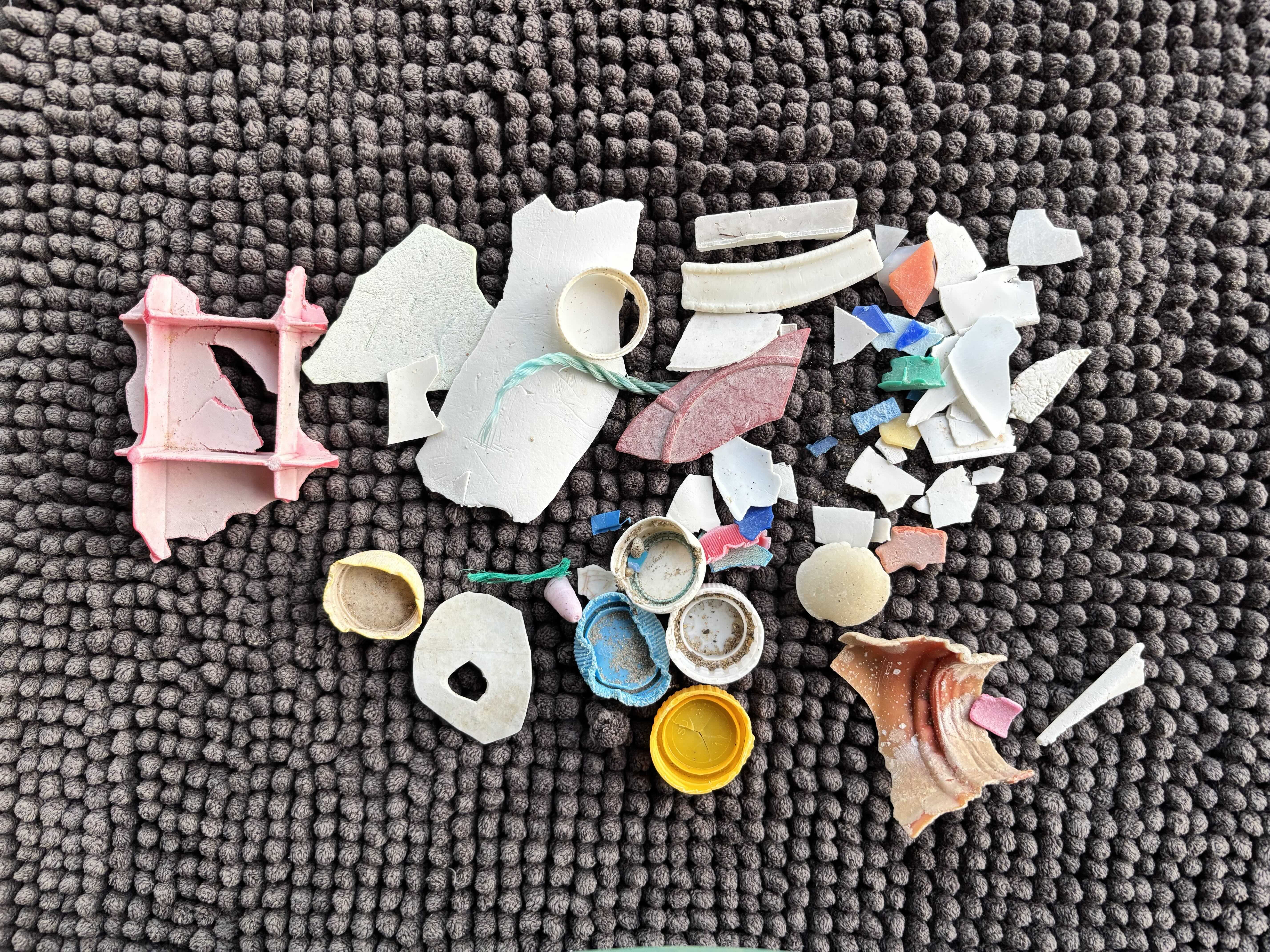
Much of the debris found on Dunk Island has been carried in by the tides, including fragments of plastic bottles and containers, buoys, fishing line, nets, ropes and other items that make their way into the Great Barrier Reef region.
Changing holiday behaviours
There are a few reasons why this program stands a good chance of success for incoming tourists. The litter itself is clean, in that it’s been ocean washed and sun dried, so it’s not grimy or offensive to pick up (and the LitterBack scoops make it easy). By making litter picking part of the visitor experience, LitterBack helps normalise positive behaviour while giving people a hands-on way to care for the places they visit.
And there’s another important piece: visitors can photograph what they find and submit their observations to the Australian Marine Debris Initiative (AMDI) Database.
That means a walk along the beach becomes more than a walk. Visitors become citizen scientists, helping build a clearer picture of what marine debris is reaching our islands, reefs and catchments — and where we can focus solutions.
Every little bit helps
This change to the way tourists visit and explore the island (from walking past litter to picking it up), also changes the way they see their visit; not just spending time in a stunning tropical environment, but actively improving it as they go.
We look forward to seeing the results of this trial and the positive behaviour change it encourages.
Related posts


