



Crunch time - how world events can bring about behaviour change
Is the current crisis a blip or a permanent shift?
Recent world events have made apparent what isn't always easy to see: behaviour change and systems change are deeply intertwined. Each shapes the other in ways that become clear when systems strain.
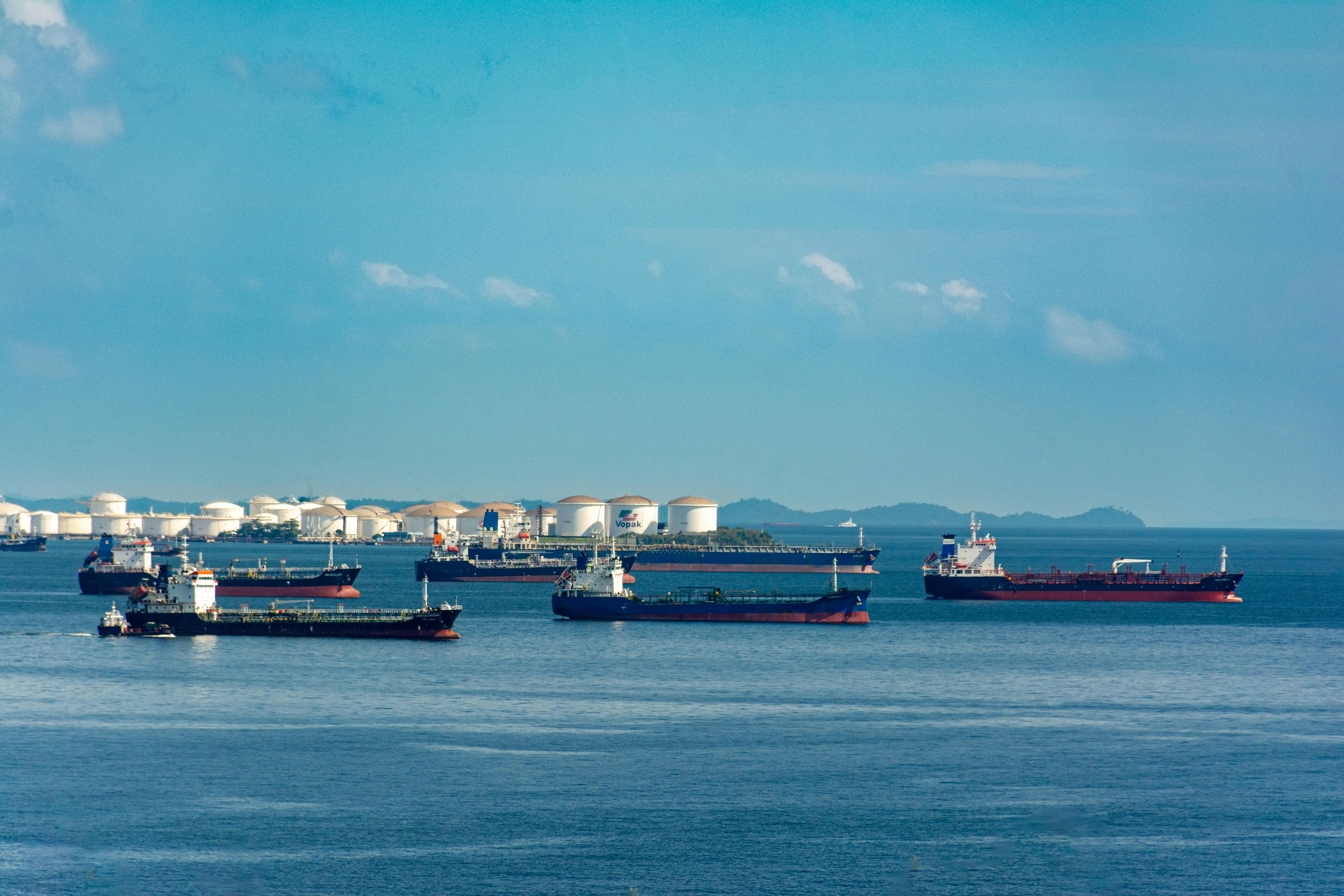
When the COVID pandemic grounded most of us at home, we didn't just change our habits. We bumped up against the edges of systems we'd taken for granted. Now, as the Strait of Hormuz tightens its grip as a global choke point for oil, gas, chemicals and fertilisers, we're seeing that dynamic play out again. Surging fuel prices aren't just inconvenient. They're exposing the fragility of the systems we've built our lives around, and prompting a discussion about their limitations.
When macro systems falter or create hard limits, two things tend to follow. People are pushed toward change. And existing alternatives that were already there, quietly waiting at the margins, become visible. Farmers are spotlighting alternative sources of fertiliser. Some Australian states have made public transport free. Demand for home solar and battery systems has exceeded expectations. The wait for a new electric vehicle in Australia is now measured in months, not weeks.
The interaction between system change and behaviour matters, as system constraints don't just create limitations, but can also redistribute agency. This can shift the question from whether people would change to what conditions would make change possible, or even necessary.
When we think about changing the way we use resources, most of us do the easy stuff first; carry a keep cup or water bottle, use the council’s FOGO scheme, get the bike going again to ride to work (if it’s not raining and there’s a shower at the other end). But shifting entire systems — electrifying home energy and transport, scaling organic farming, reducing car dependence — starts to look a lot more feasible when the mainstream system visibly fails.
Crisis does not always create alternatives, it reveals ones that were already there. Incorporating regenerative farming practices, installing solar, swapping petrol for EV, preferencing public transport are not new ideas. They've been waiting at the margins, ready to scale. What changes is the context.
When the dominant system strains, these alternatives start to make more sense. We think differently and adapt to the new challenges, and sometimes those behaviours stick and become normalised. Will public transport become permanently more popular once we get used to it being temporarily free? Will more farmers start to use organic waste as a resource, rather than landfill? Will EV sales continue to surge?
And if enough of those answers are yes, these stop being a fringe idea and justbecome the way things work.
Lauren Brumley / Geoff Paine
Related posts


