


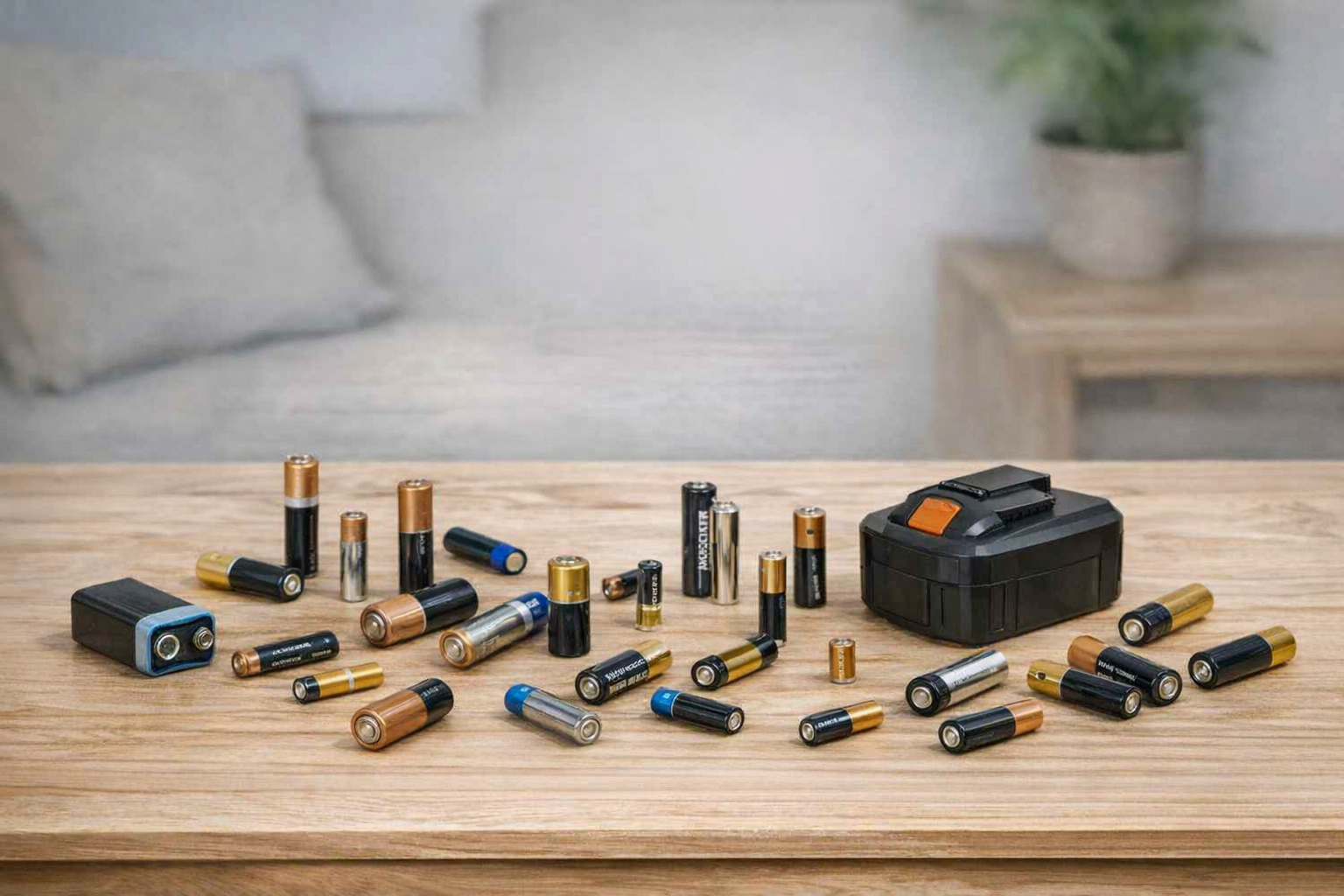

Most behavioural interviewing asks about the future or the past; what would you do, or what have you done? But thanks to the trusty video call, there is also a new way of seeing how we make decisions in real time; walkalong interviews.
Our recent report prepared for NSW EPA – Maximising Appropriate Battery Disposal – utilised this technique to find out what people know about better battery disposal, what they do with their dead batteries, and (importantly), at what point do they ‘drop off’ from the desired behaviour of taking them to collection points to be safely disposed of?
What is a 'Walkalong interview'?
Imagine you’ve agreed to take part in a research study. The researcher arranges an interview where you’re speaking to them on your smartphone with the camera on. They direct you to walk around your home, dealing with everyday decisions and asking what you would do and why. Can you please take me to a room you’re comfortable showing me around? Can you turn your camera around so I can see what you’re seeing?
In this case, the journey focused on the actions and decisions people make when they realise a battery powered device isn’t working. We’re surrounded by these objects in every room in our house; TV remotes, wall clocks and smoke alarms, wireless computer equipment like mice and keyboards. Do they check for batteries? Do they remove them? If so, how do they dispose of the dead batteries?
You choose a device and pretend it’s not working and that you’re holding it in your hand; what would you be thinking right now? How would you dispose of the battery? Would you put it in the bin? Would you store it in a drawer? Would you take it somewhere else? What other options are you aware of?

Real time choices and real-world consequences
Batteries (and devices containing embedded batteries, like rechargeable headphones, laptops and phones) shouldn’t go in the bin because they can (and increasingly, do) start fires in waste collection trucks and at waste facilities. Undesirable, and potentially even deadly.
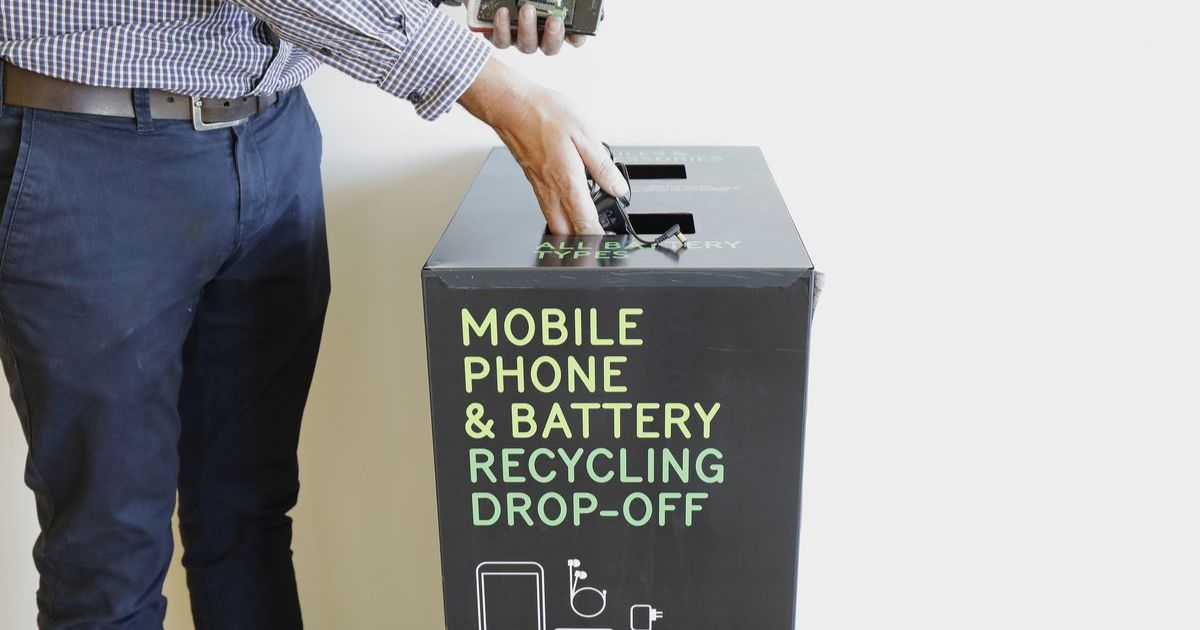
The desired behaviour is to take old batteries to be properly disposed of at local retailers (like Bunnings, Coles or Officeworks), or community recycling centres.
Some of us know batteries can’t go in the bin, but don’t know where else to take them. We might store old batteries until we work out what to do with them. Or, we know we can dispose of them at the supermarket, but we keep forgetting to take them and they pile up in the junk drawer.
When we know the different steps of the battery disposal journey, we can understand what people find difficult, where in the journey the“drop off” points are, and how we can develop interventions to increase the likelihood that people make it to the ‘desirable end’ (i.e. dropping batteries at a collection point).
As we say in the report, it’s not just about changing people, but also systems; “Increased knowledge must go hand-in-hand with access to drop off points.”
Stepping through what we do
Walkalong interviews combine imagination and the physical reality of being on the spot and having to make choices in real time. It lets us explore exactly what is going through someone’s head, at the point the behaviour is happening.
As we show in the report, there are a range of barriers at different points in the journey, from even knowing that batteries can’t go in the bin, to remembering to take them with you to a collection point, to even being able to find the collection point once you’re at the supermarket.
This means there are multiple areas where interventions could be put in place, to make the desired journey clear, easier to perform, and to help people feel it’s the right thing to do.
Authors: Meg Shaw and Geoff Paine
Related posts




.jpg)


